


- Home/
- Buy Neurontin Online in the United Kingdom – Fast UK Delivery
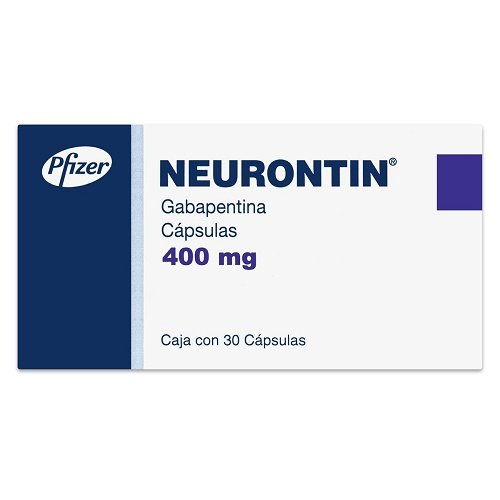
Can I Obtain Neurontin (Gabapentin) Without a Prescription in the United Kingdom?
No, Neurontin (gabapentin) is a prescription-only medicine in the United Kingdom. It is illegal and unsafe to obtain Neurontin without a valid prescription from an authorised UK healthcare professional. All purchases—whether from a high-street or online pharmacy—require a prescription, and regulated pharmacies will verify this before supply. This requirement is enforced by the Medicines and Healthcare products Regulatory Agency (MHRA).
Summary: Neurontin (Gabapentin) Key Facts (United Kingdom, 2026)
- Active ingredient: Gabapentin
- Main use: Neuropathic pain, epilepsy, some off-label psychiatric or pain conditions (always under medical supervision)
- Prescription status (UK): Prescription-only, controlled medicine (Schedule 3, Misuse of Drugs Act since 2019)
- Typical onset: Pain relief may be noticed within one week, but full effect often takes several weeks
- Common side effects: Drowsiness, dizziness, coordination problems
- Maximum daily dose: 3600 mg (individual dosing varies—doctor’s supervision required)
- Available as: Capsules, tablets, oral solution (generic and branded)
- Price range: £8–£30/month (NHS prescription charge or private price; generics generally less expensive)
- Important warning: Risk of dependence, misuse, and withdrawal. Sudden discontinuation is dangerous.
How Does Neurontin (Gabapentin) Work? (Pharmacology Explained)
Neurontin’s active ingredient, gabapentin, is structurally similar to the neurotransmitter GABA (gamma-aminobutyric acid), but it does not act on GABA receptors. Instead, gabapentin binds to the alpha-2-delta (α2δ) subunit of voltage-gated calcium channels on neurons, mainly in the brain and spinal cord. This binding reduces calcium influx into nerve cells, thereby decreasing the release of excitatory neurotransmitters such as glutamate, norepinephrine, and substance P—all of which play roles in amplifying pain signals.
In neuropathic pain, damaged nerves become hyperactive and start sending abnormal signals, even without a painful trigger. Gabapentin acts like a “dimmer switch,” lowering the volume of these abnormal nerve signals. This action reduces the sensation of pain, especially burning, shooting, or stabbing pain commonly associated with nerve injury (for example, after shingles or diabetes-related nerve pain).
Gabapentin’s effects are independent of food intake but can be affected by kidney function. It does not require metabolic activation and is not significantly processed by the liver—meaning fewer drug interactions compared to many other pain medicines (NHS, EMC).
Simplified Metaphor: Imagine nerve pain as a blaring alarm that won’t stop. Gabapentin doesn’t turn off the alarm entirely, but it muffles the sound, making it more tolerable.
Myth: Gabapentin works instantly for nerve pain.
Reality: Symptom relief often takes days to weeks and requires careful dose titration.
Expert Commentary from doctor
As a consultant in pain medicine, I’ve found that the biggest misconception about Neurontin is that it offers immediate pain relief. In my experience, patients frequently expect a quick fix—when, in reality, gabapentin must be started at a low dose and increased slowly to avoid drowsiness, dizziness, and other side effects. This can frustrate individuals seeking rapid results. I often see patients stop the medication too soon, convinced it’s not working. Consistent use and patience are crucial for benefit. Another pitfall is missing doses or stopping abruptly, which can trigger withdrawal symptoms. When prescribing in London clinics, I carefully review kidney function, as gabapentin is eliminated through the kidneys and requires dose adjustment in older adults. For the best outcome, I always combine medication with non-drug therapies such as physiotherapy and psychological support. It’s not a magic bullet, but it can be transformative for the right person, with realistic expectations and proper guidance.
What Is the Correct Dosage and How Should Neurontin Be Taken?
| Parameter | Standard Regimen |
|---|---|
| Starting dose for neuropathic pain (adults) | Typically 300 mg on day 1, increased to 300 mg twice on day 2, then 300 mg three times daily on day 3 |
| Common maintenance dose | 900–1800 mg/day (divided into 3 doses) |
| Maximum daily dose | 3600 mg (doctor supervision mandatory) |
| Time to peak effect | 2–3 weeks to notice full benefit |
| Dosage forms available | 100 mg, 300 mg, 400 mg, 600 mg, 800 mg tablets/capsules; 50 mg/ml oral solution |
| Tablet splitting | Some tablet forms can be split, but capsules must be swallowed whole. Always check with your pharmacist. |
| Renal impairment | Reduced dose required; avoid in severe kidney disease unless specialist advice |
| Elderly patients | Start low, increase slowly; monitor for sedation and unsteadiness |
Doses should be taken at evenly spaced intervals, with or without food. Abruptly stopping Neurontin is dangerous—always taper under medical supervision to avoid withdrawal.
Can I Take Neurontin With Food, Alcohol, or Other Medicines?
- Food:
- Taking gabapentin with food does not significantly affect its absorption or effectiveness. You may take it with meals or on an empty stomach.
- Alcohol:
- Combining gabapentin with alcohol is not recommended. Both substances can enhance sedation, dizziness, and impair coordination, increasing the risk of accidents. For most patients, complete avoidance is safest.
- Antacids:
- Antacids containing aluminium or magnesium may reduce gabapentin absorption if taken simultaneously. Leave at least 2 hours between gabapentin and these antacids.
- Grapefruit juice:
- No known significant interaction with gabapentin.
- Other medicines:
- Gabapentin has relatively few interactions, but always tell your doctor about any other medicines, especially opioids or sedatives, due to risk of excessive sedation or breathing problems.
Who Should Not Take Neurontin? Absolute and Relative Contraindications
- Absolute contraindications:
- Known allergy or hypersensitivity to gabapentin or any excipients in the formulation
- Relative contraindications (extra caution needed):
- Severe kidney disease (significantly reduced dose needed or avoid altogether—specialist input required)
- History of substance misuse or dependence (gabapentin carries dependence risk)
- Severe respiratory disease (risk of suppressed breathing, especially when combined with opioids or other sedatives)
- Pregnancy and breastfeeding (only after specialist risk-benefit assessment)
- Elderly patients (higher risk of drowsiness and falls—dose adjustment required)
- History of suicidal thoughts or behaviours (gabapentin may increase risk in rare cases—close monitoring needed)
Neurontin is not typically started immediately after a severe acute illness, such as a stroke or major surgery, unless a specialist advises otherwise.
What Side Effects Are Most Common with Neurontin?
- Very common (>1 in 10 people):
- Drowsiness
- Dizziness
- Loss of coordination (ataxia)
- Common (1 in 10 to 1 in 100):
- Fatigue
- Water retention (oedema)
- Unusual eye movements
- Tremor
- Blurred vision
- Weight gain
- Dry mouth
- Headache
- Nausea, vomiting
- Rare (<1 in 1000):
- Severe allergic reaction (swelling of the face/throat, rash—seek urgent help)
- Jaundice (yellowing of skin or eyes)
- Blood disorders (unusual bruising or bleeding)
- Aggression, confusion, hallucinations
- Breathing difficulties (especially in combination with opioids or in those with lung disease)
What to do if you experience side effects? For mild drowsiness or dizziness, inform your doctor—dose adjustment may help. For severe symptoms (difficulty breathing, swelling, rash, confusion), stop Neurontin and seek emergency care immediately.
Common Patient Mistakes Observed by doctor
- Stopping Neurontin suddenly—this can result in withdrawal symptoms including anxiety, insomnia, nausea, pain flare-up, and rarely seizures. Always taper under medical supervision.
- Expecting instant results—gabapentin often takes several weeks to show full benefit, especially for chronic pain. Impatience may lead to unnecessary discontinuation.
- Doubling up after a missed dose—taking extra tablets to ‘catch up’ increases side effect risk. If you miss a dose, take it as soon as possible, but skip if it’s nearly time for the next dose.
- Mixing with alcohol or sedatives—compounds drowsiness and risk of falls, especially in older adults. Avoid unless your doctor says otherwise.
- Not reporting new symptoms—such as swelling, confusion, or mood changes. These may indicate a serious reaction and need prompt medical review.
- Self-adjusting the dose—always follow your prescriber’s instructions; increasing the dose without advice can be dangerous, especially in the elderly or those with kidney problems.
How Does Neurontin Compare to Alternatives for Neuropathic Pain?
Below is a comparison of Neurontin (gabapentin) with other commonly prescribed neuropathic pain medicines in the United Kingdom, including estimated private prescription prices as of 2026.
| Drug Name (Active Ingredient) | Onset of Pain Relief | Typical Duration | Key Side Effects | Estimated Monthly Price (UK) | Prescription Required? |
|---|---|---|---|---|---|
| Neurontin (gabapentin) | 1-2 weeks (full effect up to 4 weeks) | 8-12 hours per dose (thrice daily) | Drowsiness, dizziness, swelling, coordination problems | £8–£30 (generic usually at lower end) | Yes (controlled, Schedule 3) |
| Lyrica (pregabalin) | As early as 1 week (typical: 2 weeks) | 8-12 hours per dose (twice daily) | Drowsiness, blurred vision, weight gain, swelling | £18–£45 | Yes (controlled, Schedule 3) |
| Amitriptyline | 2–4 weeks | 12–24 hours (once daily) | Dry mouth, constipation, drowsiness, weight gain | £2–£5 | Yes |
Summary: Neurontin is generally better tolerated than older antidepressants (like amitriptyline), but price may be higher unless using a generic. Lyrica (pregabalin) is similar but often works faster and may be easier to dose, at a higher price. Amitriptyline is cheaper, but side effects—especially in older adults—are more limiting. All require a prescription and regular monitoring.
Questions Frequently Asked to doctor
- Is Neurontin addictive? What about withdrawal?
- Gabapentin can cause dependence, particularly if used in high doses or for long periods. Withdrawal symptoms can include anxiety, insomnia, nausea, sweating, and pain flare-ups. Always taper slowly under supervision.
- What should I do if I miss a dose?
- Take the missed dose as soon as you remember, unless it’s nearly time for your next dose. Never double up. If you’re unsure, skip the missed dose and continue as normal.
- Can I drink alcohol while taking Neurontin?
- It’s not recommended, as alcohol increases the risk of drowsiness, confusion, and falls. Some patients may tolerate small amounts, but you must discuss this with your doctor first.
- Can children or elderly people take Neurontin?
- Gabapentin is sometimes used in children for epilepsy but less commonly for pain. Elderly adults require lower starting doses and close monitoring due to increased risk of sedation and falls.
- How long can I stay on Neurontin?
- Some people require long-term treatment, while others can gradually come off after symptoms improve. Regular reviews with your doctor are necessary to assess ongoing need and minimise risk.
- Does Neurontin interact with my other medicines?
- Gabapentin has few significant medicine interactions, but combining it with opioids or sedatives increases the risk of dangerous side effects. Always inform your doctor and pharmacist of all medicines and supplements you take.
- Will Neurontin affect my ability to drive?
- Very likely, especially when starting or increasing the dose. UK regulations require you to inform the DVLA if you’re at risk of impaired alertness or coordination. Do not drive or operate heavy machinery until you know how gabapentin affects you.
Neurontin: Key Parameters at a Glance
| Parameter | Value |
|---|---|
| Active ingredient | Gabapentin |
| Standard adult starting dose | 300 mg, titrated to 900–1800 mg/day in 3 divided doses |
| Maximum daily dose (adults) | 3600 mg |
| Elimination half-life | 5–7 hours (may be prolonged in kidney disease) |
| Metabolism | Not significantly metabolised by the liver; excreted unchanged in urine |
| Formulations available in UK | Capsules, tablets, oral solution |
| Prescription status | Prescription-only, controlled drug (Schedule 3) |
| Common NHS prescription charge (2026) | £9.95 per prescription item |
| Storage | Below 25°C, away from moisture and direct sunlight |
How to Obtain Neurontin Legally in the United Kingdom (Step-by-Step Guide)
- Consult a healthcare professional: See your GP, pain specialist, or neurologist in person or via an approved telemedicine service.
- Assessment and diagnosis: Discuss your symptoms and medical history. Further testing may be needed to confirm a neuropathic pain condition.
- Prescription: If appropriate, your doctor will issue a prescription, including any necessary controlled drug forms.
- Choose a pharmacy: Present your prescription at a registered UK pharmacy. For online pharmacies, use those displaying the MHRA green cross logo, which verifies they are regulated.
- Collection or home delivery: Many UK pharmacies offer home delivery, but must verify your identity and prescription before dispatch. Pharmacies that do not require a prescription are not legal or safe.
- Follow-up: You may require regular reviews to assess effectiveness, side effects, and ongoing need for the medicine.
Note: The NHS may cover the cost for qualifying conditions. Otherwise, standard prescription charges apply. Private providers may charge more.
Is It Safe and Legal to Buy Neurontin Online in the UK?
Purchasing Neurontin online is only legal through MHRA-registered pharmacies that require a valid prescription. Look for the official green cross logo on the pharmacy website. Never use websites that offer gabapentin without a prescription or at “ultra-low” prices—these may supply counterfeit medicines, which could be ineffective or dangerous, and you may face legal consequences including customs seizure.
Online consultation is legal if conducted by a prescriber registered with the General Medical Council (GMC) or an appropriately qualified healthcare professional. These services must follow the same strict protocols as in-person care. If in doubt, check the registration of both the pharmacy and the prescriber with the relevant UK professional bodies.
How Can I Spot Fake or Counterfeit Neurontin?
- Check the packaging: UK-packaged Neurontin or gabapentin generics will display the MHRA license number, manufacturer details, and expiry date. Spelling errors or poor print quality are red flags.
- Blister packs: Original products come in clearly marked blister packs with batch numbers matching the outer box. Do not use loose tablets.
- Tablet appearance: Gabapentin tablets or capsules should be uniform in colour (white/off-white), marked with dosage and manufacturer’s logo. Unusual shapes, colours, or missing engravings are suspicious.
- Security features: Increasingly, packs include QR codes or hologram stickers for verification. Scan these using your pharmacist’s app or ask them to check.
- Unusual price: If the price is much lower than reputable UK pharmacies, it’s likely a counterfeit or non-equivalent product.
- MHRA product license on packaging
- Batch number and expiry date
- Blister pack integrity (no loose tablets)
- Uniform tablet/capsule markings
- QR code or official hologram (if issued after 2024)
Original vs Generic Neurontin: Is There a Difference?
Neurontin is the original brand of gabapentin, but the patent has expired. Many generic versions are now available in the UK, including those from manufacturers such as Accord, Teva, and Mylan. All generics must meet the same strict MHRA standards for safety, quality, and effectiveness. The main differences are:
- Price: Generics are usually cheaper than the original brand.
- Inactive ingredients: Generic versions may contain different excipients (fillers, colouring agents). These are usually safe, but if you have allergies, check the patient information leaflet or ask your pharmacist.
- Appearance: Shape, size, or colour may vary, but active ingredient and effect should be identical.
It is safe and cost-effective to use generic gabapentin prescribed by your doctor. If you experience side effects after switching, discuss with your healthcare team.
Neurontin Compatibility with Other Medicines: At-a-Glance Table
| Type of product | Can it be combined? | Consequences |
|---|---|---|
| Paracetamol or ibuprofen | Yes | No significant interaction |
| Opioid painkillers (e.g. morphine, codeine) | With caution | Increased risk of sedation, breathing problems |
| Antacids (aluminium/magnesium) | Yes (separate by 2 hours) | May reduce gabapentin absorption if taken together |
| Alcohol | Not recommended | Increased risk of drowsiness, unsteadiness, accidents |
| Other antiepileptics | Yes (with doctor supervision) | May require dose adjustments; monitor side effects |
| Oral contraceptives | Yes | No significant effect on contraceptive efficacy |
| Warfarin | Yes | No significant interaction |
Special Precautions: Older Adults, Pregnancy, Kidney Disease & Other Groups
- Elderly: Increased risk of drowsiness, confusion, and unsteadiness—start with lower doses and titrate slowly. Falls are a significant risk in this group.
- Pregnancy: Gabapentin may be used if benefits outweigh risks, usually under specialist advice. There are possible risks to the fetus; alternatives may be considered first.
- Breastfeeding: Gabapentin passes into breast milk in small amounts; discuss with your specialist before continuing.
- Kidney impairment: Gabapentin is excreted unchanged in urine. Dosage must be adjusted or avoided in severe kidney disease.
- Driving and machinery: Gabapentin commonly impairs alertness and coordination—especially when starting or changing dose. UK law (DVLA) requires reporting if affected.
- Fertility: No evidence that gabapentin impairs fertility in men or women.
- Mental health conditions: May increase risk of mood changes, suicidal thoughts in rare cases—close monitoring needed.
What Should I Do If I Take Too Much Neurontin?
- Stop taking Neurontin immediately.
- Call 999 or your local emergency number in the UK.
- Report the amount and timing of the overdose to the responder.
- Do not attempt to induce vomiting.
- Keep the medication packaging with you for emergency staff to review.
Symptoms of overdose include severe drowsiness, double vision, slurred speech, weakness, loss of consciousness, and in rare cases, breathing difficulties. Prompt treatment is essential for best outcome.
Psychological Support and Living with Neuropathic Pain
Neuropathic pain is common and can be frustratingly persistent. It’s normal to feel anxious or low at times—you’re not alone. In Manchester, Birmingham, and across the UK, multidisciplinary pain clinics can provide psychological support, physiotherapy, and pain management strategies alongside medication. Consider discussing your pain, fears, or medication worries with your healthcare team, a trusted friend, or a therapist. Addressing both physical and emotional aspects improves overall quality of life.
Professional Opinion of doctor
In my clinical practice, Neurontin (gabapentin) offers significant benefits for people living with neuropathic pain—especially where other treatments, such as simple analgesics or amitriptyline, have failed or caused unacceptable side effects. It is particularly helpful for shooting, burning, or tingling pain after conditions like shingles or diabetes. That said, gabapentin is not a “cure” and does not work for all types of pain—musculoskeletal pain, headaches, or fibromyalgia often respond poorly. Realistic expectations and close follow-up are key to effective therapy. The risk of sedation, falls, and dependence means regular reviews are essential, especially in older adults or those with kidney disease. I often use gabapentin in combination with physiotherapy and psychological therapies, rather than as stand-alone treatment. For some, alternatives like pregabalin or low-dose antidepressants may be preferable, especially when cost or rapid onset is a major concern. Ultimately, the best choice is one tailored to the individual—balancing benefit, risk, and personal preference under specialist guidance.
FAQ: Neurontin in the United Kingdom
- Can Neurontin be used every day?
- Yes, gabapentin is prescribed for daily use, usually in divided doses. Do not stop abruptly without medical advice.
- Is gabapentin the same as Neurontin?
- Yes, Neurontin is a brand name; gabapentin is the generic name. Both contain the same active ingredient.
- Is a prescription needed for Neurontin in the UK?
- Yes, it’s a prescription-only and controlled medicine. Legal supply requires a valid UK prescription.
- Can I buy Neurontin online legally in the UK?
- Only from MHRA-registered pharmacies and after a valid prescription is issued by a UK healthcare professional.
- What should I do if Neurontin doesn’t work?
- Consult your prescriber. Dose adjustments or alternative therapies may be needed. Do not self-adjust the dose.
- How long does it take for Neurontin to start working?
- Some improvement may be felt in 1–2 weeks; full effect can take several weeks.
- How much does Neurontin cost in the UK?
- Generic gabapentin costs £8–£30 per month through NHS or private providers; the original brand may be more expensive.
- Does Neurontin cause weight gain?
- Weight gain is a possible side effect for some people; regular monitoring is recommended.
- Is Neurontin safe in pregnancy?
- Only use under specialist advice—potential risks to the fetus exist.
- What are the signs of an allergic reaction to Neurontin?
- Rash, swelling of the face or throat, hoarseness, breathing difficulty—seek emergency help immediately.
References
- Electronic Medicines Compendium. “Neurontin 100mg, 300mg & 400mg Capsules – Summary of Product Characteristics.” Updated 2026. https://www.medicines.org.uk/emc/product/2501/smpc
- NHS. “Gabapentin” (2026). https://www.nhs.uk/medicines/gabapentin/
- Medicines and Healthcare products Regulatory Agency (MHRA). “Medicines Licence and Regulation.” MHRA homepage
- European Medicines Agency. “Gabapentin Scientific Discussion.” EMA homepage
- British National Formulary (BNF). “Gabapentin.” Access via https://bnf.nice.org.uk/drug/gabapentin.html
- PubMed. “Recent advances in gabapentin therapy for neuropathic pain: a systematic review, 2024.” PubMed homepage
- General Medical Council. “List of Registered Medical Practitioners.” https://www.gmc-uk.org/
- National Institute for Health and Care Excellence (NICE). “Neuropathic pain in adults: pharmacological management in non-specialist settings.” https://www.nice.org.uk/guidance/cg173
Finding a Neuropathic Pain Specialist in the United Kingdom
If you need to consult a real, qualified specialist in the United Kingdom for neuropathic pain treatment, ask your GP for a referral to a pain clinic or a consultant neurologist. Pain clinics are available in major cities such as London, Manchester, Birmingham, Glasgow, and Cardiff—typically based in NHS hospitals or private centres. You can search for NHS pain services via the NHS pain management service finder. Always check that your specialist is registered with the GMC and has expertise in neuropathic pain management.
For private consultations, organisations such as the British Pain Society or Royal College of Physicians provide directories of accredited pain medicine consultants.