

- Home/
- Buy Ivermectin Online in the United Kingdom Safely and Easily
Can Ivermectin be obtained without a prescription in the United Kingdom?
No, Ivermectin is classified as a prescription-only medicine (POM) in the United Kingdom. It cannot be obtained legally from a pharmacy or online supplier without a valid prescription issued by a UK-registered doctor. Unauthorised use or purchase of Ivermectin is illegal and may carry significant health risks.
Key Takeaways: What you need to know about Ivermectin in the UK
- Ivermectin is primarily used in the UK to treat certain parasitic infections such as scabies and strongyloidiasis.
- It is only available by prescription from a registered doctor and cannot be legally purchased over the counter or online without one.
- Self-medication or use of Ivermectin for unapproved conditions (such as viral illnesses) is not supported by clinical evidence and carries health risks.
- The most important safety consideration is the risk of severe side effects if misused or taken without medical supervision.
- Patients should consult their GP or an infectious disease specialist before considering Ivermectin therapy.
- If you experience any unexpected or severe side effects, seek medical advice immediately.
How does Ivermectin work? The detailed mechanism of action
Ivermectin is an antiparasitic agent belonging to the avermectin class of drugs. Its primary mechanism involves binding with high affinity to glutamate-gated chloride ion channels found in the nerve and muscle cells of invertebrates (such as parasitic worms and mites). This binding increases the permeability of the cell membrane to chloride ions, resulting in hyperpolarisation, paralysis, and eventual death of the parasite.
In more detail, Ivermectin also interacts with other ligand-gated chloride channels, such as those gated by the neurotransmitter gamma-aminobutyric acid (GABA), but its selectivity for glutamate-gated channels provides its safety margin in humans, as these channels are not present in mammalian nervous systems.
Metaphorically, you can think of Ivermectin as “locking the gates” that control electrical signals in the parasite’s nerves and muscles, leaving them unable to move or feed, and eventually leading to their elimination from the body.
Ivermectin’s action is independent of food, light, or other external triggers, although its absorption may be affected by meal composition (see below). Its antiparasitic effect does not rely on the host immune system, making it useful even in immunocompromised individuals.
Recent studies up to 2025 have reaffirmed Ivermectin’s efficacy primarily against Sarcoptes scabiei (scabies mites), Strongyloides stercoralis (threadworm), and some other parasitic infestations, but not against viruses such as SARS-CoV-2 (NHS; PubMed).
Clinical Observations: Why Patients’ Expectations Often Differ from Reality
Many patients come to me expecting Ivermectin to act as a broad-spectrum “cure-all,” sometimes after reading about its unproven uses online. One common misconception is that results should be immediate—yet, in my experience, visible improvement in conditions like scabies may take up to two weeks, and itching can persist as the immune system clears dead mites. Patients rarely ask about how to identify true treatment failure versus expected after-effects, or about the importance of hygiene measures to prevent reinfection. Often, the biggest challenge is managing expectations and ensuring patients understand that Ivermectin is not a substitute for environmental cleaning or, in some cases, for topical treatments. It’s vital to clarify these points early, as misunderstandings can lead to premature discontinuation or unsafe re-dosing.
— Infectious Diseases Specialist, NHS Trust
How should I take Ivermectin? Dosage regimen, timing, and duration of effects
The standard dose of Ivermectin for scabies and strongyloidiasis in adults is typically 200 micrograms per kilogram of body weight, administered as a single oral dose. In some cases, a second dose may be recommended after 7–14 days, depending on the condition and clinical response.
- Maximum daily dose: Do not exceed 400 micrograms per kilogram per day.
- Elderly patients or those with liver impairment: Dose adjustment may be required. Always consult your doctor.
- Children & underweight patients: Dosing is strictly weight-based and should be calculated by a paediatrician or specialist.
- Can the tablet be split? Most Ivermectin tablets are not scored and should be swallowed whole unless the manufacturer’s instructions state otherwise.
Peak effect: Most patients begin to notice symptom improvement within 1–2 days for strongyloidiasis and within 1–2 weeks for scabies, as the immune system clears dead parasites.
Duration: The antiparasitic effect persists for several days, but environmental hygiene and follow-up may be necessary to prevent reinfection.
Food, alcohol, and lifestyle: What affects Ivermectin’s absorption and safety?
- Food: Taking Ivermectin with a high-fat meal increases its absorption by up to 2.5-fold, which may enhance effectiveness but can also raise the risk of side effects. For most indications, it is recommended to take Ivermectin on an empty stomach (at least 1 hour before eating).
- Alcohol: While no direct interaction has been proven, combining Ivermectin with alcohol is not recommended due to the increased risk of central nervous system side effects (such as dizziness or drowsiness), especially in vulnerable populations.
- Grapefruit juice: May increase Ivermectin blood levels by inhibiting its metabolism, potentially increasing side effects. Avoid concurrent consumption.
- Other lifestyle factors: There are no known interactions with exercise, but dehydration, poor nutrition, or concurrent use of other medications can affect safety.
| Substance | Can it be combined? | Potential consequences |
|---|---|---|
| Paracetamol | Yes | No significant interaction |
| Alcohol | Avoid | May increase CNS side effects |
| Warfarin | With caution | Possible increased bleeding risk; monitor INR |
| Grapefruit juice | Avoid | May increase side effects |
| Pregnancy | No | Not recommended; risk to fetus |
| Topical scabies creams | Yes | May be used together if clinically indicated |
Who should not take Ivermectin? Absolute and relative contraindications
Absolute contraindications:
- Known allergy or hypersensitivity to Ivermectin or excipients in the formulation.
- Children weighing less than 15 kg (unless specifically advised by a paediatrician).
- Pregnancy (especially first trimester) — due to potential teratogenic effects observed in animal studies, Ivermectin is not recommended unless the benefit outweighs the risk.
- Breastfeeding — excreted in breast milk; avoid unless specifically indicated.
- Severe liver impairment (may increase drug levels and toxicity).
- Weakened blood-brain barrier (e.g., meningitis) — increased risk of neurotoxicity.
- Concomitant use of drugs that inhibit CYP3A4 (such as some antifungals and macrolide antibiotics) — may increase Ivermectin levels.
- Very elderly or frail patients — increased susceptibility to side effects.
Cardiovascular disease: No direct contraindication, but hypotension and dizziness can occur, posing a risk to patients with unstable heart conditions. Always consult a doctor if you have any underlying heart disease.
After a recent heart attack or stroke: Ivermectin should only be used under specialist supervision.
What side effects are most common with Ivermectin?
Ivermectin is generally well-tolerated at therapeutic doses. However, as with any medication, adverse effects can occur. These are classified according to frequency:
- Very common (>1/10): Mild skin itching (in scabies, may reflect immune response to dead mites rather than the drug itself), headache, muscle aches.
- Common (1/100 to 1/10): Dizziness, nausea, diarrhoea, mild abdominal pain, fatigue.
- Rare (1/10,000 to 1/1,000): Low blood pressure (hypotension), blurred vision, rash.
- Very rare (<1/10,000): Seizures, severe skin reactions (Stevens-Johnson syndrome), liver injury, encephalopathy (especially in patients with heavy Loa loa infection — rare in the UK).
Mechanism of side effects: Many side effects, such as itching and rash, may be due to the body’s immune response to dying parasites, not direct drug toxicity. Neurological symptoms (dizziness, seizures) are rare but can occur, especially in those with compromised blood-brain barriers or coexisting infections.
If you experience severe or unusual side effects (e.g., persistent vomiting, confusion, breathing difficulties, severe skin reactions), seek urgent medical attention.
Common errors when using Ivermectin: What patients often get wrong
- Misinterpreting persistent itching as treatment failure: Many patients expect immediate relief from scabies symptoms; however, itching can last for weeks as the immune system clears dead mites. Re-dosing too early or unnecessarily can increase the risk of side effects.
- Taking Ivermectin with a fatty meal without medical advice: This can increase absorption and side effects, especially in those with liver impairment.
- Incorrect timing or skipping hygiene measures: Failure to wash bedding and clothes can lead to reinfestation, even if the medication is effective.
- Self-medicating or sharing medication: Using leftover or someone else’s Ivermectin can result in underdosing, overdosing, or inappropriate use for the wrong condition.
- Combining with contraindicated medications: Not informing your doctor about all medications and supplements increases the risk of interactions.
- Failure to attend follow-up: Not returning for review can delay identification and management of adverse effects or treatment failure.
These mistakes are avoidable by following your doctor’s instructions closely and asking questions if anything is unclear.
How does Ivermectin compare to other antiparasitic treatments? (Comparison Table)
| Medication | Main Indications | Onset of Action | Typical Side Effects | Duration of Effect | Estimated Cost (per course, GBP) | Prescription Required? |
|---|---|---|---|---|---|---|
| Ivermectin | Scabies, strongyloidiasis, some other parasitic worms | 24–48 hours (scabies); 1–2 days (others) | Itching, headache, dizziness | Up to 2 weeks | £15–£35 (approximate, varies by pharmacy and course length) | Yes |
| Permethrin (topical) | Scabies, lice | 8–14 hours (after application) | Skin irritation, burning, redness | Single application; may repeat after 7 days | £8–£20 | Yes |
| Albendazole | Various intestinal worms (not standard for scabies) | 1–3 days | Abdominal pain, nausea, headache | As per dosing schedule | £6–£14 | Yes |
Bottom line: Ivermectin is preferred for some cases of scabies and strongyloidiasis, especially when topical therapies are impractical. For lice or standard scabies, permethrin is often first-line. Always consult your doctor for personalised advice.
Important technical facts: Pharmacokinetics of Ivermectin explained simply
- Absorption: Ivermectin is rapidly absorbed after oral administration, but bioavailability increases with fatty meals.
- Metabolism: Processed mainly in the liver by cytochrome P450 enzymes (CYP3A4).
- Half-life (T1/2): Approx. 18 hours (range 12–36 hours) in healthy adults.
- Elimination: Excreted mostly via faeces; less than 1% is excreted unchanged in urine.
Clinical relevance: In patients with liver dysfunction, metabolism may be slower, increasing the risk of side effects. In people with kidney impairment, no significant accumulation occurs, but caution is still advised.
Are there specific considerations for certain patient groups?
- Elderly patients: More prone to side effects such as dizziness and hypotension. Start with the lowest effective dose and monitor closely.
- Patients with liver disease: Use with caution. Dose adjustment may be needed due to slower metabolism.
- Pregnant and breastfeeding women: Not recommended. Animal studies have shown potential for harm to the fetus. Ivermectin is excreted in breast milk.
- Children: Only for children over 15 kg and when indicated by a paediatric specialist.
- Ability to drive or operate machinery: Dizziness or drowsiness may impair these activities. Avoid driving until you know how Ivermectin affects you.
- Fertility: No evidence of direct effects on fertility in humans, but studies are limited.
Original Ivermectin vs generics: Are there any differences in the UK?
Both original (brand-name) and generic Ivermectin are available in the UK (subject to prescription and availability). By law, generics must demonstrate bioequivalence, meaning they deliver the same amount of active ingredient to the bloodstream as the original.
- Excipients (inactive ingredients): May differ between products and can cause allergic reactions in rare cases. Always check the leaflet for allergens (e.g., lactose, colouring agents).
- Cost: Generics are usually less expensive, with similar effectiveness and safety profiles.
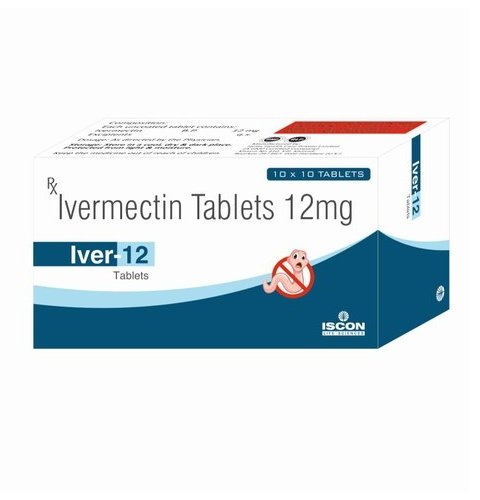
- Appearance and packaging: May differ in shape, colour, size, and branding, but batch number, expiry date, and manufacturer details must be present.
In short: Generics offer equivalent effectiveness and can save you money, but always verify that you receive your medication from a licensed UK pharmacy to avoid counterfeits.
Myth: All Ivermectin tablets look the same and work identically.
Reality: Generic and branded Ivermectin may differ in appearance and excipients, but genuine products from licensed UK pharmacies must meet strict MHRA standards for effectiveness and safety.
Step-by-step guide: How to get Ivermectin through legal medical channels in the UK
- Consult your GP or a qualified specialist: If you suspect a parasitic infection (such as scabies) or have been advised by a healthcare provider, book an appointment with your GP or infectious diseases specialist. Some clinics offer telemedicine consultations for certain conditions.
- Medical assessment: Your doctor will examine your symptoms, medical history, and may request laboratory tests (e.g., skin scrapings for scabies, stool sample for parasites).
- Prescription issued: If Ivermectin is deemed appropriate, the doctor will prescribe the correct dose and provide instructions for use.
- Pharmacy fulfilment: Take your prescription to a registered community pharmacy or use an accredited online pharmacy that operates under UK law. The pharmacist will verify your prescription and dispense the medication.
- Follow-up: Attend any follow-up appointments as advised to monitor your response and check for side effects or reinfection.
How can I identify a legitimate online pharmacy in the UK? Patient safety guide
Online pharmacies in the UK must be registered with the General Pharmaceutical Council (GPhC) and display the EU common logo (for UK and EU-based sites). To verify legitimacy, check:
- The pharmacy’s name and registration number on the GPhC register
- Presence of the green cross or EU common logo, which links to the registration page
- Requirement for a valid UK prescription — legitimate pharmacies will never sell Ivermectin without one
- Physical address and contact details in the UK
Warning signs of unsafe sellers:
- Selling prescription medicines without a prescription
- Prices that are significantly lower than NHS prescription costs
- No pharmacist available to answer questions
- Poor-quality website, lack of contact information, or overseas-only contacts
Buying from unregulated sellers risks receiving counterfeit or substandard medicines, which can be dangerous to your health.
How do I spot a counterfeit Ivermectin product? Security and quality check
- Packaging: Genuine UK products have clear labelling, batch numbers, expiry dates, and a patient leaflet in English. Check for manufacturer details and licensing information.
- Appearance: Tablets should be uniform in colour, shape, and engraving (if present). Blisters or bottles should not look altered, faded, or poorly printed.
- Price: Unusually low prices are a red flag for counterfeits. NHS prescription charges apply for legitimate pharmacy dispensing.
- QR codes/holograms: Some brands include QR codes or holographic seals for verification, but this is not universal. Always check with the pharmacist if in doubt.
- If you suspect a counterfeit: Do not use the product. Report it to the pharmacy and to the MHRA Yellow Card Scheme.
- Uniform tablet shape and colour, usually white or off-white
- Batch number, expiry date, and manufacturer clearly printed on outer box and blister
- English-language patient leaflet included
- Packaging is undamaged, with official markings and (where applicable) QR code or hologram
What should I do if I overdose on Ivermectin? Emergency action steps
- Stop taking the medication immediately.
- Call NHS 111 or 999 (in case of severe symptoms such as confusion, seizures, or breathing difficulties).
- Inform the medical professional: Tell them exactly how much Ivermectin you have taken, when, and whether you have any other medical conditions or take other medicines.
- Do not attempt to induce vomiting unless instructed by a healthcare professional.
Symptoms of overdose can include vomiting, confusion, visual disturbances, loss of coordination, seizures, or loss of consciousness. Prompt medical assessment is essential.
Psychological support: You’re not alone in facing a parasitic infection
Parasitic infections such as scabies or threadworm can affect anyone, regardless of background or lifestyle. There is no shame in seeking help — these conditions are common, manageable, and treatable. If you’re feeling embarrassed, anxious, or isolated, consider talking to a trusted friend, partner, or qualified healthcare professional for support.
Professional clinical assessment: When is Ivermectin the right choice?
In my clinical judgment, Ivermectin is most beneficial for patients with confirmed parasitic infections such as scabies or strongyloidiasis that cannot be adequately managed with topical or alternative oral therapies. I tend to recommend it for those with extensive, crusted, or treatment-resistant scabies, institutional outbreaks, or for immunocompromised patients who may not respond to standard topical treatments. On the other hand, it may not be suitable for those with severe liver disease, pregnancy, or individuals at risk of significant drug interactions. If a patient has a history of hypersensitivity, or if the diagnosis is uncertain, I would consider alternative options. Key benefit-risk considerations include the patient’s overall health, likelihood of reinfection, and the ability to adhere to environmental hygiene measures. If treatment fails or side effects are significant, reassessment and possibly a change in therapy are warranted.
— Infectious Diseases Consultant
Doctor answers: Practical questions patients often ask about Ivermectin
- How will I know if Ivermectin is working?
- For scabies, the first sign is usually a reduction in new lesions; however, itching may persist for days or weeks as your immune system clears dead mites. For threadworm, symptoms like itching or gastrointestinal discomfort should gradually resolve. If symptoms persist beyond two weeks, book a follow-up appointment.
- Is it safe to use Ivermectin if I have mild liver disease?
- If you have mild liver dysfunction, Ivermectin may still be used but often at a lower dose, with careful monitoring. Always inform your doctor about any liver problems before starting treatment.
- Can I take Ivermectin at the same time as my other regular medications?
- It depends on the medications. Some drugs (like warfarin or certain antibiotics) can interact with Ivermectin. Bring an up-to-date medicines list to your appointment so your doctor can check for interactions.
- What happens if I miss a dose?
- For most indications, Ivermectin is given as a single or very limited number of doses. If you miss a scheduled dose, seek advice from your doctor before taking another tablet.
- Do I need to treat my family members if I have scabies?
- Yes, close contacts may require treatment even if they do not have symptoms, as scabies is highly contagious. Your doctor will advise on household management and prevention steps.
- Should I repeat treatment if symptoms return?
- This should only be done on the advice of a healthcare professional, as repeated unsupervised dosing can increase the risk of side effects and resistance.
- How will my progress with Ivermectin be monitored?
- Your doctor may arrange a follow-up appointment or phone review after 2–4 weeks to assess response, check for side effects, and decide if further action is necessary.
- Are there any long-term risks if I need repeated courses?
- Repeated courses are rarely needed in the UK. Long-term risks are minimal if doses are spaced and prescribed appropriately, but unnecessary or excessive use can increase the risk of side effects and resistance.
Technical information table: Ivermectin at a glance
| Parameter | Value |
|---|---|
| Active ingredient | Ivermectin |
| Formulation | Oral tablet (most common), topical cream (off-label/rare in UK) |
| Strengths available | 3 mg, 6 mg (tablet); other strengths by compounding |
| Typical adult dose | 200 micrograms/kg as a single dose |
| Onset of action | 24–48 hours (symptom relief can take longer) |
| Peak plasma time | 4–5 hours after oral dose |
| Half-life (T1/2) | ~18 hours (range 12–36 hours) |
| Storage | Below 25°C, dry place, original container |
FAQ: Quick answers for common questions about Ivermectin in the UK
- Is Ivermectin effective against COVID-19 or other viral infections?
- No. There is no reliable clinical evidence that Ivermectin is effective in treating COVID-19 or other viral illnesses. Use for these indications is not approved or recommended by the NHS or MHRA.
- How quickly does Ivermectin work for scabies?
- Most patients see an improvement in new scabies lesions within 1–2 days, but itching may continue for up to 2 weeks as the immune system clears dead mites.
- Can I get Ivermectin without a prescription in the UK?
- No. Ivermectin is a prescription-only medication in the UK. It is illegal and unsafe to obtain it without a valid prescription.
- What are the most important side effects to watch for?
- Common side effects include mild itching, headache, and dizziness. Seek urgent medical help if you experience severe allergic reactions, confusion, seizures, or breathing difficulties.
- How much does a course of Ivermectin cost in the UK?
- On private prescription, the cost is typically £15–£35 per course, but prices may vary. If prescribed on the NHS, standard prescription charges apply (current charge £9.65 per item in England as of 2026).
- Can I use Ivermectin if I am pregnant or breastfeeding?
- Ivermectin is not recommended during pregnancy or breastfeeding unless specifically advised by a specialist due to potential risks to the baby.
- Are generics as safe and effective as branded Ivermectin?
- Yes. Licensed generics must meet strict UK and EU standards for quality, effectiveness, and safety.
- What should I do if I suspect I have a parasitic infection?
- Book an appointment with your GP or a specialist in infectious diseases. Do not self-medicate or use medicines purchased without a prescription.
- Can I buy Ivermectin from an online pharmacy?
- Yes, but only from a UK-registered online pharmacy with a valid prescription. Always verify the pharmacy’s registration with the General Pharmaceutical Council (GPhC).
References
- UK National Health Service (NHS). Ivermectin. https://www.nhs.uk/conditions/ivermectin/
- Medicines and Healthcare products Regulatory Agency (MHRA). https://www.gov.uk/government/organisations/medicines-and-healthcare-products-regulatory-agency
- General Pharmaceutical Council register. https://www.pharmacyregulation.org/registers/pharmacy
- European Medicines Agency (EMA). Ivermectin. https://www.ema.europa.eu/en/medicines/human/EPAR/ivermectin
- ClinicalTrials.gov. Ivermectin studies. https://clinicaltrials.gov/
- PubMed. Ivermectin: recent clinical reviews. https://pubmed.ncbi.nlm.nih.gov/
- World Health Organization (WHO). Ivermectin use and guidelines. https://www.who.int/