
- Home/
- Buy Prednisolone Without Prescription in the United Kingdom Today
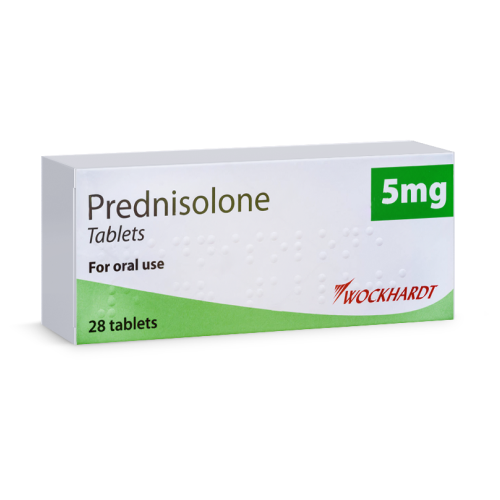
| Medicine Name | Prednisolone |
|---|---|
| Principal Compound | Prednisolone |
| Main Purpose | Reduction of inflammation in various conditions |
| Varieties of Dosage | 1mg, 5mg, 10mg, 20mg tablets; oral solution; eye drops |
| How soon does it act? | Effects typically start within a few hours to 24 hours |
| Length of Activity | Roughly 12–36 hours, depending on form and dose |
| Prescription Needed? | Yes, prescription required in the UK |
| UK Market Availability | Widespread; produced by multiple generic manufacturers |
Prednisolone for Inflammation: Guidance for the United Kingdom
Prednisolone is a widely used prescription medication for managing inflammation due to a range of underlying health conditions. It is available in the UK, regulated by the Medicines and Healthcare products Regulatory Agency (MHRA), and can be prescribed in various forms. This guide explains what Prednisolone does, when it’s appropriate, and how to decide if it’s the right choice for your current situation.
Understanding Your Symptoms: Why Addressing Inflammation Matters
Inflammation is a natural part of the body’s defence, but it becomes a problem when it lingers or intensifies. According to the National Health Service (NHS), chronic inflammatory diseases—such as rheumatoid arthritis, inflammatory bowel disease, and severe allergic reactions—affect millions in the UK every year (NHS, 2023). You are not alone if you are experiencing swelling, pain, or loss of function related to inflammation: these symptoms are common and, in most cases, manageable. Recognition and prompt management can help prevent complications. Knowing that effective treatments exist, and that your symptoms are understood by healthcare professionals, is central to reducing anxiety and moving toward a solution.
How Prednisolone Works: From Mechanism to Relief
Prednisolone is a synthetic steroid that mimics hormones naturally produced by your adrenal glands. It works by dampening the body’s immune response—specifically, by blocking the release of substances that trigger inflammation (such as prostaglandins and cytokines). As a result, swelling, redness, and discomfort usually begin to subside within a few hours to a day after starting treatment. For you, this might mean easier movement in affected joints, reduced skin irritation, or improved breathing, depending on the underlying condition. By controlling excessive immune activity, Prednisolone does not cure the root cause but offers critical relief and can prevent lasting tissue damage when used appropriately.
Does Prednisolone Suit My Situation?
| Your Scenario | Is Prednisolone Right? | Reason |
|---|---|---|
| Acute flare of autoimmune disease (e.g., rheumatoid arthritis, lupus) | Yes | Because rapid reduction of inflammation can prevent joint or organ damage. |
| Short-term severe allergic reaction (not anaphylaxis) | Yes | Because Prednisolone can quickly suppress allergic inflammation when antihistamines are insufficient. |
| Mild seasonal allergies or minor skin rashes | No | Because non-steroidal options are safer and usually effective; steroid use is not justified for mild symptoms. |
| Chronic infections (untreated or poorly controlled) | No | Because suppressing immune function may worsen infections; Prednisolone should not be used unless infection is managed. |
| Asthma or chronic obstructive pulmonary disease (COPD) exacerbation | Yes, if prescribed | Because short courses help control airway inflammation and improve breathing under medical guidance. |
| Seeking long-term relief for chronic pain without clear cause | No | Because risks of long-term steroid use outweigh benefits if no inflammatory process is identified. |
If you have a diagnosed inflammatory or autoimmune condition and experience significant symptoms, Prednisolone is often recommended. However, it is not suitable for every inflammatory complaint—particularly where non-steroidal approaches are likely to be effective or where infection is present. A clinical discussion with your GP or specialist is essential before initiating treatment.
Practical Guidance: Taking Prednisolone in Everyday Life
- When and how to take: Usually taken once daily, preferably in the morning with food to reduce stomach irritation. If prescribed multiple daily doses, spacing them evenly is important.
- Food and drink: Take with or after meals. Avoid grapefruit juice, which can interfere with steroid metabolism.
- If you miss a dose: Take it as soon as you remember, unless it’s close to your next scheduled dose—then skip the missed one. Never double up.
- If you vomit after a dose: If vomiting occurs within 30 minutes, retake the dose; otherwise, continue as usual (consult your doctor for repeated vomiting).
- Course length: Follow the prescribed duration exactly. Stopping suddenly after prolonged use can cause withdrawal symptoms due to adrenal suppression—always taper as instructed.
- What if it doesn’t help? Lack of improvement within a few days may mean the underlying cause is not inflammatory or is resistant to steroids. Contact your doctor for reassessment rather than increasing the dose yourself.
- Normal effects: Some people notice increased appetite or mood changes early on. Mild sleep disturbance may occur.
- Monitor for: Unusual swelling, mood changes, persistent stomach pain, or signs of infection—these may warrant medical attention.
Having a written record of your dose and timing can be helpful. If you have other ongoing medications or health issues, inform your healthcare provider, as Prednisolone can interact with various treatments.
Contraindications: Who Should Not Use Prednisolone?
- Uncontrolled infections: Avoid because Prednisolone suppresses the immune system, potentially worsening infections.
- Recent live vaccines: Not recommended, as steroids can reduce vaccine effectiveness and increase risk of vaccine-related illness.
- Known allergy to Prednisolone or excipients: Prohibited due to risk of allergic reactions.
- Severe psychiatric illness (uncontrolled): Use with caution, as steroids may exacerbate mental health symptoms.
- Unmanaged diabetes or hypertension: Should be stabilised first, since steroids can destabilise glucose and blood pressure control.
It is crucial to tell your healthcare provider about all current conditions before starting Prednisolone, especially if you have an active infection or have recently received a live vaccine.
Side Effects: What to Expect, What to Watch For
- Common (often mild/temporary): Increased appetite, fluid retention (swelling of ankles/face), mood swings, insomnia, mild rise in blood pressure, higher blood sugar in people with diabetes.
- Less common (needs attention if persistent): Indigestion or ulcers, blurred vision, muscle weakness, slow wound healing, easy bruising. Prolonged use can lead to osteoporosis or cataracts.
- Rare but serious (seek immediate help): Sudden shortness of breath, swelling of face or throat (possible allergic reaction), severe abdominal pain with vomiting, confusion, or loss of consciousness. In these cases, call NHS 111 or 999 if symptoms are life-threatening.
For most people, side effects are mild and reversible after stopping Prednisolone. Serious complications are uncommon with short-term use but increase with higher doses or prolonged treatment. Always report new or severe symptoms promptly.
Medication Interactions: What Else Can Affect Prednisolone?
Prednisolone can interact with a wide range of medicines. Notable interactions include:
- Non-steroidal anti-inflammatory drugs (NSAIDs): May raise risk of stomach ulcers or bleeding when combined.
- Some antibiotics (e.g., rifampicin): Can speed up breakdown of Prednisolone, reducing its effect.
- Antifungal medicines (e.g., ketoconazole): May increase steroid levels in your body, intensifying side effects.
- Diabetes medication: Steroids can elevate blood sugar, so adjustment of antidiabetic drugs may be necessary.
- Live vaccines: Should be avoided while on significant doses, as efficacy and safety can be compromised.
It is essential to provide your doctor or pharmacist with a full list of your current medications, including over-the-counter and herbal products, before starting Prednisolone. This helps avoid unintended interactions and ensures your treatment is as safe as possible.
Prednisolone Compared: How Does It Stack Up Against Other Options?
| Medication | Typical Use | Advantages | Limitations |
|---|---|---|---|
| Prednisolone | Acute and chronic inflammatory diseases, when rapid control is needed | Fast-acting, versatile, adjustable dosing, good evidence in severe cases | Not suitable for long-term use due to side effects; requires prescription |
| Ibuprofen (NSAID) | Mild to moderate musculoskeletal pain or inflammation | Widely available, fewer systemic side effects with short-term use | Less effective for severe inflammation; stomach and kidney risk with long use |
| Hydrocortisone | Skin inflammation (topical), adrenal insufficiency (systemic) | Lower potency, good for minor skin issues | Not as powerful for systemic inflammation; less flexible dosing |
| Biologics (e.g., adalimumab) | Moderate to severe autoimmune diseases | Targeted action, less broad immunosuppression | High cost, injection/infusion, specialist monitoring required |
Prednisolone remains the first-line treatment for many acute inflammatory episodes where rapid suppression is needed. NSAIDs suit milder cases, while biologic agents are reserved for those not responding to standard therapies or with frequent relapses. Each has a place: your individual health profile and severity of symptoms determine the safest and most effective option. Discuss alternatives with your doctor if you have concerns about long-term steroid use or if you do not respond to initial treatment.
Cost and Access: What You Actually Pay in the UK
| Expense | Amount (GBP) | Comments |
|---|---|---|
| GP appointment (NHS) | Free | For most UK residents; private consultation varies (£50–£120) |
| Prescription charge | £9.65 per item | NHS England standard charge; exemptions apply |
| Medication (Prednisolone 5mg x 28 tablets) | Covered by prescription charge | Actual cost to NHS is lower; private price £5–£15 per pack |
| Delivery (online pharmacy) | £3–£6 | Next-day or standard delivery; varies by provider |
| Total | £9.65–£21.65 | Assumes NHS prescription and standard delivery; private care may cost more |
In summary, for most patients, the total cost of a course of Prednisolone in the UK is limited to a standard prescription fee plus delivery (if ordering online). Some individuals are entitled to free prescriptions (children, elderly, certain medical conditions). Private online services may charge higher fees but can offer faster access. Confirm that any online pharmacy is registered with the General Pharmaceutical Council and that all medications supplied are genuine and licensed for UK use.
Resolving Remaining Doubts: Practical Clarifications
Can I buy Prednisolone without a prescription in the UK? No, Prednisolone is regulated and requires a valid prescription. Any website offering it without one is likely operating outside UK law and may supply counterfeit or unsafe products. Always seek medicines from registered sources.
What happens if I need multiple courses? If you require frequent or prolonged courses of Prednisolone, your doctor will usually arrange periodic monitoring—such as blood pressure, blood sugar, and bone density checks—to minimise long-term risks. Chronic use requires additional care and may prompt consideration of alternative therapies.
Is it safe to travel while taking Prednisolone? Yes, but bring a copy of your prescription and a medication list, especially if travelling abroad. Some countries restrict the import of steroid medications—check regulations before departure.
If any uncertainty remains about your suitability for Prednisolone, or you notice unexpected symptoms, consult your doctor or pharmacist for personalised advice. Your safety always comes first.